Who We Are
We are an independent, international, grassroots research centre fostering communication and collaboration through practical research and pedagogy projects to improve the quality, rigour and prestige of 21st Century music-making. We provide a community, support and opportunities to publish and collaborate on research projects for educators, students and researchers of any musical practice, in any musical style and in any part of the world.
People

Manuella Blackburn
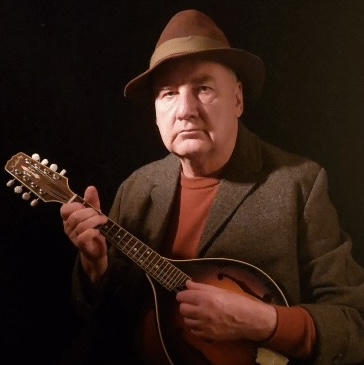
Matthew Bannister
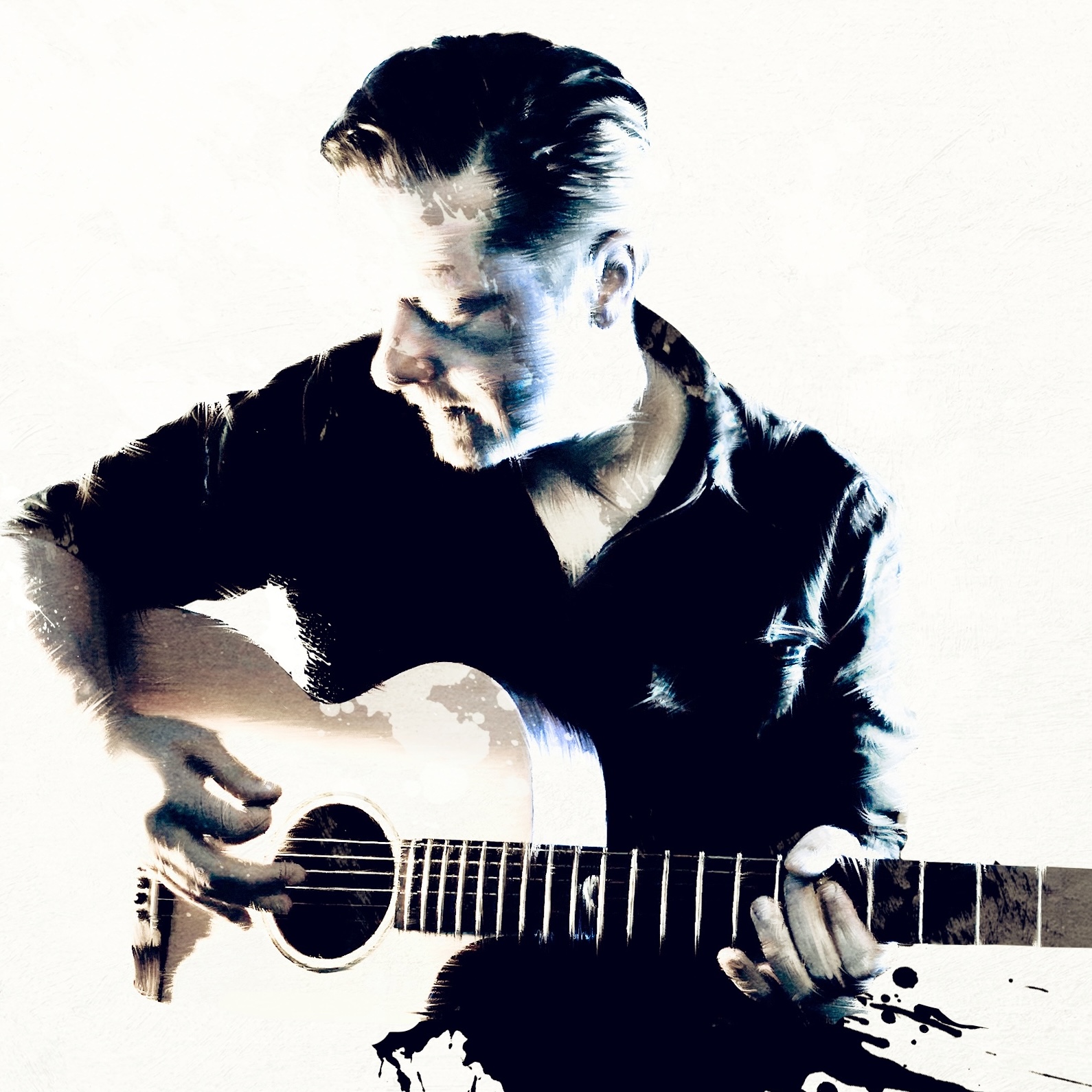
James Gordon

Veronica Skrimsjö

Sara McGuinness
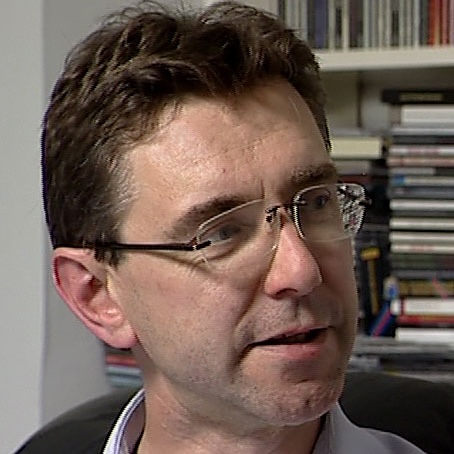
Paul Archbold
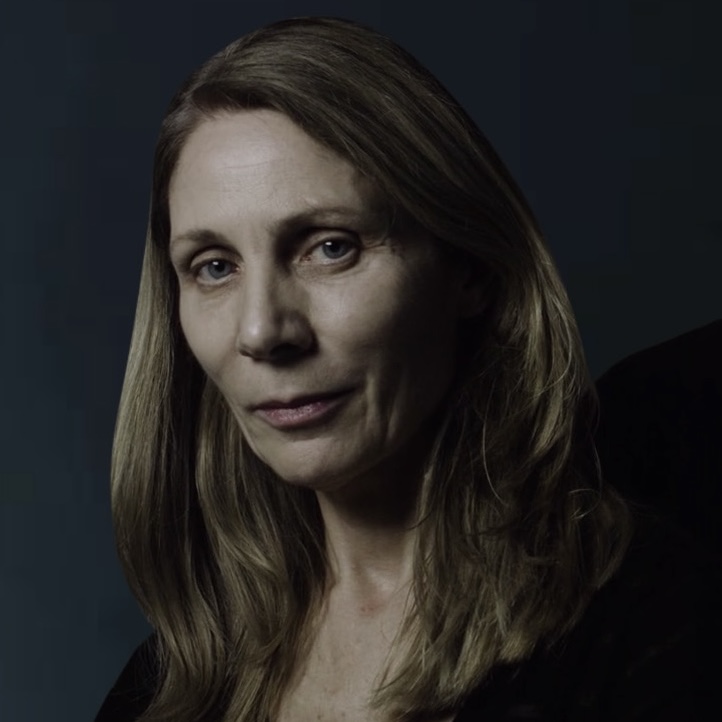
Melanie Pappenheim

Matthew Chapman

Maciej Kierzkowski
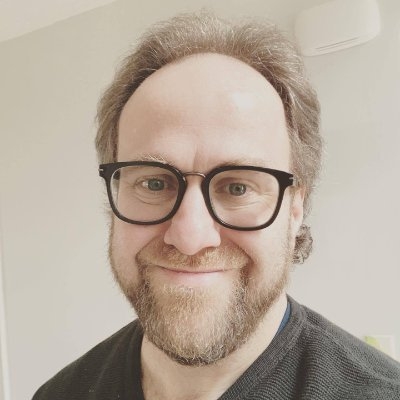
Dan Walzer

Brendan Anthony

Kristina Kelman
History
2015: The 21st Century Music Practice research network started with a series of in-person and on-line events aimed at researchers in London and the South East of England. The launch event was at the University of West London (UWL) and was hosted by Simon Zagorski-Thomas.
2016: The next two events were hosted by Leah Kardos at Kingston University and Hillegonde Rietveld at London South Bank University.
2017: Chris Riley hosted the third symposium at Surrey University.
2018: the network became international and the JISCMail list grew to over 250 members in 30 countries.
2019: Simon became series editor for the 21st Century Music Practice Cambridge University Press Elements series which continues today.
2020: C21MP ran three on-line events during Covid: two on-line symposia alongside the online UK and Ireland branch of the International Association for the Study of Popular Music (IASPM) conference and a project called Inside – Outside randomly pairing composers and short film makers in a format that would become the template for the centre’s Research Challenge publishing format in 2025.
2021: C21MP study day on publishing practice research is hosted at UWL.
2022: Simon publishes Practical Musicology in the newly commissioned Bloomsbury Academic 21st Century Music Practice book series.
2023: The first two-day C21MP conference is held at UWL. The innovative ‘flipped’ format requires presenters to submit their paper as a video before the in-person conference. These are then made public on the website and session participants are asked to watch all the videos from their session. The session consists of a short recap of the video by each presenter and then 75 minutes of discussion led by a chair.
2024: The second conference, in the same format, was held at the new Townshend Studio: Pete Townshend’s unique and extensive collection of commercial electronic musical instruments housed in a custom-built studio space at UWL.
2025: Work starts on planning, promoting and content building for the C21MP research centre. This includes embedded presentations and discussion sessions at Innovation in Music (Bath Spa University), IASPM (Sorbonne University, Paris) and the Performance Studies Network conference (Guildhall School of Music and Drama). The first C21MP Research Challenge is held in-person at the Townshend Studio, UWL exploring the creative use of commercial electronic musical instruments.
2026: The C21MP Research Challenges on the creative use of guitar tuning, Practice Research Methods, KISMIF DIY Production and MOCReN Algorithm Manipulation are run and published. The first Research Fellows launch the Open Research Project (ORP) format.
Future Plans
The advisory board of the research centre will publish proposals for future projects and changes to governance (when required) in an annual report. This will include mechanisms for consulting the membership and inviting suggestions. If you have ideas for the centre’s future please email admin@c21mp.org
Governance
As described in the Mission Statement, the 21st Century Music Practice research centre is:
- Open Access – the research publications on the centre’s website are all open access. Resources to support students, ECRs and educators are accessible to all members of the research centre.
- Independent – we are a not-for-profit organisation which is being registered as a Community Interest Company in the UK. We are not affiliated to any single university or other institution but are seeking financial support from a series of academic sponsors and a combination of institutional and individual membership.
- International – membership is open to everyone and, although the primary language of the research centre is English, we will be seeking to offer translations and multi-lingual opportunities as much as possible. In addition, the centre publishes research about and through any musical tradition or style and, while our focus is on the 21st century, that includes contemporary performance and interpretation of historical repertoire.
- Grassroots – We are run by academics, for academics but are open for any members who are interested in research about 21st music practice, whether they are employed by a research active institution or not. We are particularly interested in providing a voice and platform for those without one – whether they be students engaged in or with an interest in music practice, working in teaching-focused institutions, not currently employed in education or research, retired from paid employment or independent researchers.